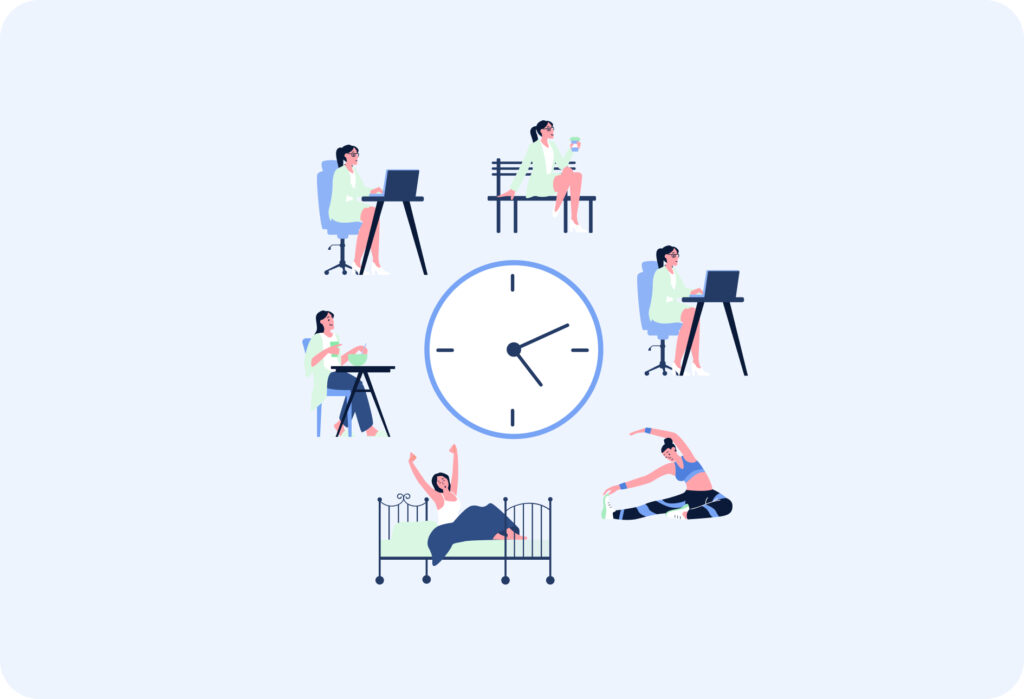
A well-crafted daily routine serves as the foundation for achieving your goals while maintaining balance and wellbeing. Successful people across all fields credit much of their accomplishment to consistent routines that eliminate decision fatigue, ensure important activities happen regularly, and create structure that supports both productivity and personal growth. The key is designing a routine that works for your unique circumstances rather than trying to force yourself into someone else's ideal schedule.
Why Routines Matter
Routines reduce the mental energy required to make countless daily decisions. When activities like exercise, work focus time, and meal preparation happen at consistent times, they become automatic rather than requiring willpower each day. This conservation of mental energy leaves more capacity for creative thinking, problem-solving, and handling unexpected challenges.
Research consistently shows that people with structured routines experience lower stress levels, better sleep quality, and improved overall health compared to those living more chaotic, reactive lifestyles. Routines create predictability and control in an uncertain world, which our brains find deeply calming even if we consciously value spontaneity.
However, routines should serve you, not constrain you. The goal is creating helpful structure while maintaining flexibility for the inevitable disruptions and opportunities that arise. A routine that makes you feel guilty when life intervenes is too rigid and ultimately unsustainable.
Identifying Your Core Values and Goals
Before designing your routine, clarify what matters most to you. Your routine should reflect your values and support your goals, not just fill time with activities that seem productive. Take time to write down your top three to five values and your primary goals for the next year.
For each goal, identify the daily or weekly actions that will move you toward it. If health is a priority, your routine needs dedicated time for exercise and meal preparation. If family relationships matter most, schedule quality time with loved ones rather than hoping it happens organically. Career advancement might require scheduled learning time or networking activities.
This values-based approach ensures your routine genuinely serves your life rather than becoming another source of stress or obligation. When your daily actions align with what you truly care about, motivation comes naturally and routines feel meaningful rather than arbitrary.
Understanding Your Natural Rhythms
Everyone has natural energy fluctuations throughout the day. Some people wake alert and focused, ready to tackle challenging work immediately. Others need time to gradually wake up and hit their stride later in the morning or afternoon. Understanding your personal energy patterns allows you to schedule activities when you are naturally suited for them.
Track your energy and focus levels hourly for a week to identify your patterns. Notice when you feel most alert, when you experience energy dips, and when creative thinking flows easily versus when you can only handle routine tasks. Use this information to schedule your most important work during peak periods and save less demanding activities for your lower-energy times.
Honor your chronotype, your biological preference for sleep and wake times. If you are naturally a night person, forcing yourself into an early morning routine might work briefly but rarely proves sustainable. While some schedule constraints are unavoidable, build your routine around your natural tendencies as much as possible.
Designing Your Morning Routine
How you start your day significantly influences everything that follows. A chaotic, rushed morning creates stress that persists throughout the day, while a calm, intentional start sets a positive tone. Your morning routine should prepare you mentally, physically, and emotionally for the day ahead.
Wake at a consistent time, even on weekends, to regulate your circadian rhythm. The first hour after waking is precious time before the demands of the day begin. Consider including activities like hydration, light movement or stretching, meditation or journaling, a nutritious breakfast, and reviewing your priorities for the day.
Avoid immediately checking email or social media, which allows external demands to hijack your attention before you have centered yourself. Use the morning to focus on yourself and your priorities rather than reacting to others. If you must check messages, do so after completing your essential morning activities.
Prepare as much as possible the night before. Lay out clothes, prepare breakfast ingredients, pack bags, and review your schedule. This preparation eliminates decision-making when your willpower is lowest and makes mornings smoother and more peaceful.
Structuring Your Workday
Effective workday routines balance focused productivity with necessary breaks and transitions. Start with your most important task while your energy and focus are highest. This ensures that even if the day becomes chaotic, you have accomplished something meaningful.
Schedule specific time blocks for different types of work rather than jumping between tasks randomly. Group similar activities together to minimize context switching. Include regular breaks to prevent mental fatigue and maintain focus throughout the day. Even five minutes of stretching or walking can refresh your mind and improve subsequent productivity.
Set boundaries around your work time. Decide when your workday ends and protect that boundary, with rare exceptions. Working late occasionally for urgent deadlines is reasonable, but chronic overwork indicates a need to adjust expectations or delegate rather than simply working more hours.
Include time for professional development in your routine, whether reading industry publications, taking online courses, or practicing new skills. Regular learning, even in small increments, compounds dramatically over time and keeps you growing rather than stagnating.
Building an Evening Wind-Down Routine
Your evening routine prepares you for quality sleep and sets up success for the next day. As bedtime approaches, gradually reduce stimulation and shift into relaxation mode. Dim lights, turn off screens at least an hour before bed, and engage in calming activities.
Use the evening to reflect on your day, acknowledging accomplishments and releasing stress or frustration. This reflection prevents carrying negative emotions into sleep and helps you process experiences. Some people journal, others practice gratitude, and some simply take a few minutes of quiet reflection.
Prepare for tomorrow during your evening routine. Spend ten minutes reviewing your calendar, identifying priorities, and gathering anything you will need. This preparation allows you to wake with clarity about the day ahead rather than starting in confusion or scrambling to get organized.
Maintain consistent sleep and wake times that allow for seven to nine hours of sleep. Quality sleep is not optional for optimal functioning. Protect your sleep by treating bedtime as seriously as important appointments. Your routine should support rather than sabotage your sleep needs.
Incorporating Healthy Habits
Your routine should include non-negotiable activities that support your physical and mental health. Exercise, even just twenty to thirty minutes daily, provides enormous benefits for both body and mind. Schedule it at a time that works consistently for you, whether morning, lunch break, or evening.
Plan time for meal preparation or at least mindful eating. Eating while distracted or rushing undermines digestion and satisfaction. Even if you cannot cook elaborate meals, sitting down to eat without screens or work creates a brief pause that benefits both nutrition and stress management.
Include activities that bring you joy and relaxation. Hobbies, creative pursuits, time in nature, or social connection should not be afterthoughts relegated to whenever you have extra time. Schedule them just as you would professional obligations. These activities renew your energy and motivation, making you more effective in all areas of life.
Adapting and Refining Your Routine
Your first attempt at a routine will not be perfect, and that is completely normal. Commit to trying a new routine for at least two weeks before judging its effectiveness. This gives you time to adjust to changes and see actual results rather than abandoning things prematurely.
After the trial period, honestly assess what works and what does not. Some activities might take too long, happen at the wrong time of day, or simply not fit your lifestyle as well as you hoped. Adjust based on real experience rather than theoretical ideals.
Expect that routines need periodic updates as your life circumstances change. A routine that works perfectly while single might need significant modification with a partner or children. Career changes, moves to new locations, or shifts in goals all require routine adjustments.
Build in flexibility for disruptions. Have a simplified version of your routine for unusually busy days, travel, or when life throws unexpected challenges. The goal is maintaining some structure even during chaos rather than abandoning everything when you cannot do it all.
Common Pitfalls to Avoid
Many people create routines that are too ambitious, packing every minute with activities and leaving no buffer for the unexpected or simple rest. This leads to constant feelings of failure when you cannot maintain the impossible standard you have set. Start with a few key activities and gradually add more rather than overwhelming yourself from the beginning.
Avoid comparing your routine to others or trying to copy someone else's schedule exactly. What works for a single entrepreneur will not work for a parent of young children. What suits an early bird will frustrate a night owl. Use others' routines for ideas and inspiration but customize everything to your unique situation.
Do not make your routine so rigid that minor deviations feel like complete failures. Life happens, and flexibility is essential for sustainability. Missing your morning workout one day does not mean abandoning exercise forever. Simply resume your routine the next day without guilt or drama.
Your Routine as a Living System
An effective daily routine is not a static prescription but a living system that evolves with you. Start simple, focusing on a few key activities that support your most important goals and values. As these become habitual, you can layer in additional elements that enhance your life further.
Remember that the purpose of a routine is to serve your life, not to create another source of stress or obligation. A good routine should make your life easier, more productive, and more fulfilling. If your routine is not doing that, adjust it until it does. With patience and willingness to experiment, you can create a daily structure that supports your success and wellbeing for years to come.