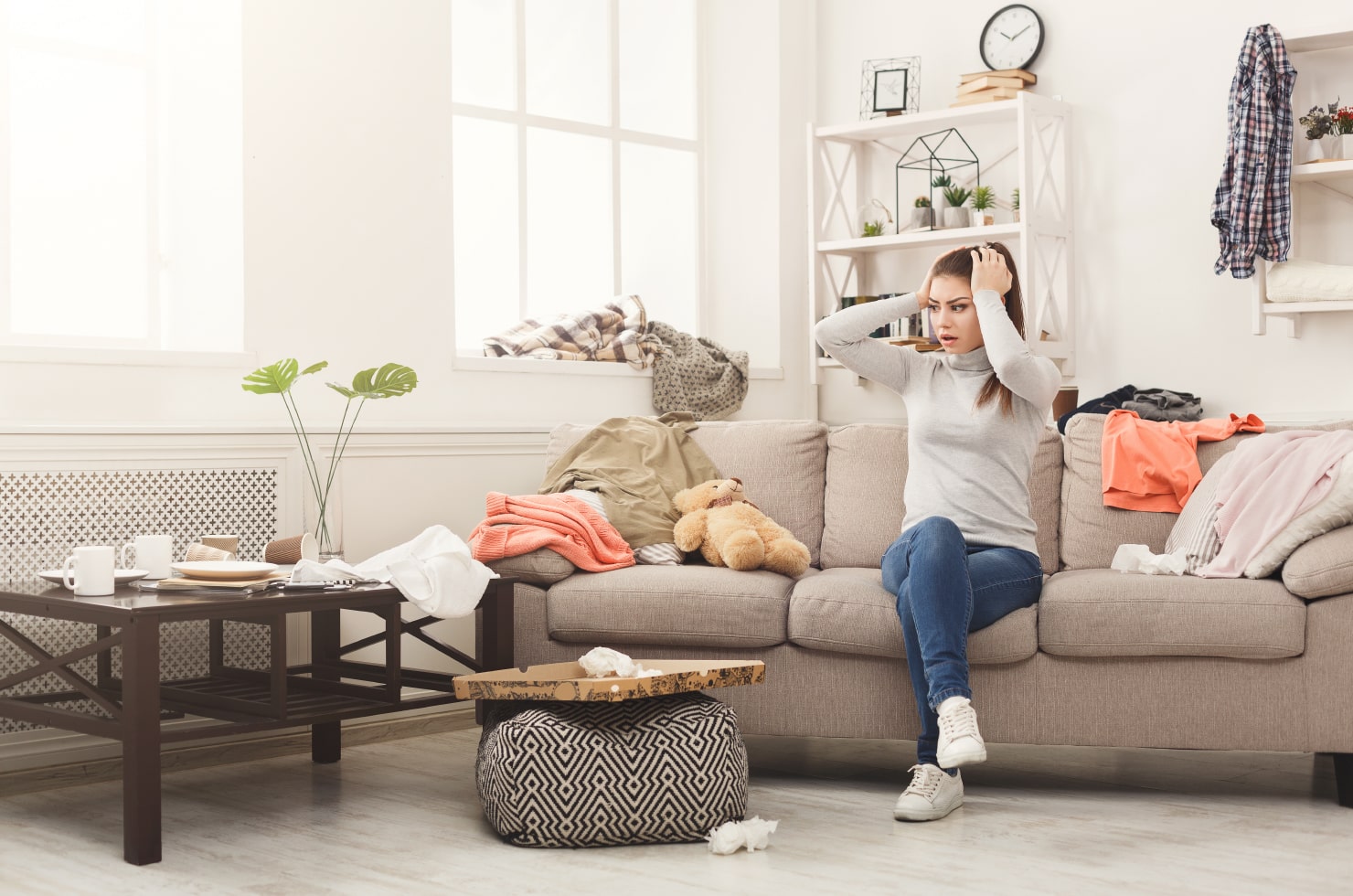
Your living environment significantly impacts your mental state, productivity, and overall quality of life. Clutter creates visual chaos that can lead to stress, anxiety, and difficulty focusing. Conversely, an organized, decluttered space promotes calm, clarity, and a sense of control. The good news is that creating a more peaceful home does not require perfection or dramatic overhauls. With the right approach and consistent effort, anyone can transform their living space.
Understanding the Psychology of Clutter
Clutter accumulates for many reasons beyond simple laziness or lack of time. Emotional attachments to possessions, fear of waste, difficulty making decisions, and using shopping as a coping mechanism all contribute to cluttered homes. Understanding your personal relationship with stuff is the first step toward meaningful change.
Many people hold onto items because they represent memories, aspirations, or past versions of themselves. That expensive dress you never wear might represent hopes of fitting into it again. Books you have not read in years might symbolize intellectual aspirations. Recognizing these emotional connections helps you address the root causes of clutter rather than just shuffling items around.
Starting With the Right Mindset
Approaching decluttering with realistic expectations prevents overwhelm and discouragement. Your home did not become cluttered overnight, and it will not be transformed overnight either. Progress, not perfection, is the goal. Even small improvements make a difference in how you feel in your space.
Shift your focus from what you are losing to what you are gaining. Instead of mourning items you are letting go, celebrate the space, peace of mind, and freedom you are creating. Remember that keeping everything means you cannot truly appreciate or use anything. When everything is special, nothing is.
The Five-Box Method
When tackling any space, use five designated containers or areas: keep, donate, sell, trash, and relocate. This systematic approach prevents the common mistake of simply moving clutter from one area to another without actually reducing it.
Items in the keep box should truly add value to your life or serve a clear purpose. The donate box is for items in good condition that someone else could use. Things worth significant money go in the sell box. The trash box is for items that are broken, expired, or unusable. The relocate box contains items that belong in a different area of your home.
Process these boxes promptly. Schedule donation drop-offs, list items for sale, take out the trash, and return relocated items to their proper homes. Boxes that sit around become new clutter.
One Room at a Time Strategy
Attempting to declutter your entire home at once leads to burnout and incomplete projects. Instead, focus on one room or even one zone within a room at a time. Completing small areas provides motivation and tangible results that fuel continued effort.
Start with a space that will make the biggest immediate impact on your daily life. For many people, this is the bedroom, kitchen, or main living area. Success in these high-use spaces provides motivation to continue with less frequently used areas like guest rooms or storage spaces.
Set a timer for fifteen to thirty minutes if you are feeling overwhelmed. You will be surprised how much you can accomplish in short, focused sessions. Regular brief sessions often prove more effective than occasional marathon decluttering days.
The One-Year Rule
A practical guideline for deciding whether to keep items is asking yourself if you have used them in the past year. If something has sat untouched for twelve months, you likely do not need it. Exceptions exist for seasonal items, special occasion wear, and sentimental pieces, but this rule effectively identifies much of the clutter in most homes.
For clothing specifically, try the hanger trick. Turn all hangers backward in your closet. After wearing and washing an item, return it with the hanger facing the normal direction. After six months, items still on backward hangers are candidates for donation.
Digital Decluttering
Physical clutter is not the only type that affects your peace of mind. Digital clutter, from overflowing email inboxes to thousands of unorganized photos, creates its own stress. Set aside time to address digital spaces just as you would physical ones.
Unsubscribe from email lists you no longer read. Delete apps you do not use. Organize digital photos into folders and delete duplicates or poor-quality shots. Clear your phone of old screenshots and downloads. A decluttered digital environment reduces mental load and makes finding what you need much easier.
Creating Systems to Maintain Order
Decluttering is only half the battle. Without systems to maintain order, clutter will creep back in. Implement the one-in-one-out rule: for every new item you bring home, remove one item. This prevents accumulation and makes you more thoughtful about purchases.
Designate specific homes for everything you own. When items do not have designated places, they end up scattered around your space. Putting things away becomes automatic when there is an obvious place for them. Use labels, especially in shared spaces, so everyone knows where things belong.
Establish daily habits that prevent clutter from building up. Spend ten minutes each evening doing a quick tidy, putting away items that migrated during the day. Process mail immediately rather than letting it pile up. Clean as you cook rather than leaving a disaster for later.
Dealing With Sentimental Items
Sentimental clutter presents unique challenges because items carry emotional weight beyond their practical value. You do not need to keep everything to honor memories. Take photos of items before letting them go if you want to preserve the memory without the physical object.
Create a memory box for each family member with a size limit. When the box is full, you must remove something before adding anything new. This forces you to curate rather than hoard, keeping only the most meaningful items.
Consider the burden you might be placing on loved ones by keeping everything. Many people hold onto inherited items out of guilt, but your relatives would likely prefer you keep a few meaningful pieces rather than feel obligated to store everything.
Involving the Whole Household
Decluttering works best when everyone in the household participates. Have honest conversations about the benefits of a less cluttered home and how it will improve everyone's life. Assign age-appropriate tasks to children, teaching them organizational skills that will serve them throughout life.
Avoid decluttering other people's belongings without permission. This creates resentment and resistance. Instead, lead by example with your own spaces and gently encourage others to join the process. Celebrate progress together and make organizing as enjoyable as possible with music or rewards.
Maintaining Your Peaceful Space
Creating a clutter-free home is an ongoing process, not a one-time project. Regular maintenance prevents the accumulation that leads to overwhelming clutter. Schedule quarterly decluttering sessions to stay ahead of buildup, and reassess your systems periodically to ensure they still work for your lifestyle.
Remember that a peaceful home looks different for everyone. Your goal is not magazine-perfect minimalism unless that truly brings you joy. Aim instead for a space that functions well for your life, where you can easily find what you need, and that promotes calm rather than stress. The effort you invest in creating this environment pays dividends in improved wellbeing and quality of life.