In our modern world of desk jobs and digital devices, poor posture has become epidemic. Hours spent hunched over computers, looking down at phones, and sitting in poorly designed chairs take a serious toll on our bodies. The good news is that with consistent practice of targeted exercises, you can significantly improve your posture, reduce pain, and prevent long-term damage to your spine and musculoskeletal system.
Understanding Posture and Its Impact
Good posture means your body is aligned in a way that puts minimal strain on muscles and ligaments. When your posture is correct, your bones and joints are properly aligned, muscle efficiency increases, and fatigue decreases. Poor posture, on the other hand, can lead to chronic pain, headaches, breathing difficulties, and even digestive issues.
The most common posture problems include forward head posture, rounded shoulders, and anterior pelvic tilt. These issues often develop gradually and may not cause immediate discomfort, but over time they can lead to significant problems. Addressing them requires both strengthening weak muscles and stretching tight ones.
Chin Tucks for Forward Head Posture
Forward head posture is one of the most prevalent posture issues today, largely due to constant phone and computer use. For every inch your head moves forward from proper alignment, it adds ten pounds of extra weight your neck muscles must support. Chin tucks help strengthen the deep neck flexors and counteract this forward position.
To perform chin tucks, sit or stand with your spine straight. Gently pull your chin straight back, creating a double chin effect, while keeping your eyes looking forward. Hold for five seconds, then release. Repeat ten to fifteen times, several times throughout the day. You should feel mild tension in the back of your neck and upper back.
Wall Angels for Shoulder Alignment
Rounded shoulders and a hunched upper back are common results of desk work and poor sitting habits. Wall angels help open the chest, strengthen upper back muscles, and improve shoulder mobility. This exercise is similar to making snow angels but done standing against a wall.
Stand with your back against a wall, feet a few inches away from it. Press your lower back, upper back, and head against the wall. Raise your arms to shoulder height with elbows bent at ninety degrees, keeping them against the wall. Slowly slide your arms up the wall as far as comfortable while maintaining contact, then return to the starting position. Perform ten to twelve repetitions, focusing on keeping all points of contact with the wall.
Cat-Cow Stretch for Spinal Flexibility
This yoga-inspired movement promotes flexibility throughout your entire spine and helps counteract the stiffness that comes from prolonged sitting. It gently mobilizes each vertebra and helps you develop awareness of neutral spine position.
Start on your hands and knees with hands directly under shoulders and knees under hips. For the cow position, let your belly drop toward the floor while lifting your chest and tailbone toward the ceiling, creating an arch in your back. For the cat position, round your spine toward the ceiling, tucking your tailbone and bringing your chin toward your chest. Move slowly between these positions, synchronizing movement with your breath. Perform eight to ten cycles, moving smoothly and mindfully.
Thoracic Extension Over a Foam Roller
The thoracic spine, or mid-back region, often becomes stiff and rounded from poor posture. Using a foam roller to extend this area can provide significant relief and help restore proper curvature to your spine. This exercise targets the exact area that becomes most compromised with desk work.
Lie on your back with a foam roller positioned horizontally under your mid-back. Support your head with your hands, elbows pointing out. Gently arch backward over the roller, extending your upper back. Hold for a few breaths, then move the roller slightly up or down your spine and repeat. Spend two to three minutes working different areas of your thoracic spine. Move slowly and avoid rolling over your lower back.
Scapular Squeezes for Upper Back Strength
Weak muscles between your shoulder blades contribute significantly to rounded shoulders and poor posture. Scapular squeezes strengthen these muscles and help pull your shoulders back into proper alignment. This simple exercise can be done anywhere and requires no equipment.
Sit or stand with your arms at your sides. Squeeze your shoulder blades together as if trying to hold a pencil between them. Hold for five to ten seconds, then release. Ensure you are not shrugging your shoulders up toward your ears. Perform three sets of ten to fifteen repetitions. You can do this exercise multiple times throughout the day, especially during long periods of sitting.
Hip Flexor Stretch for Lower Body Alignment
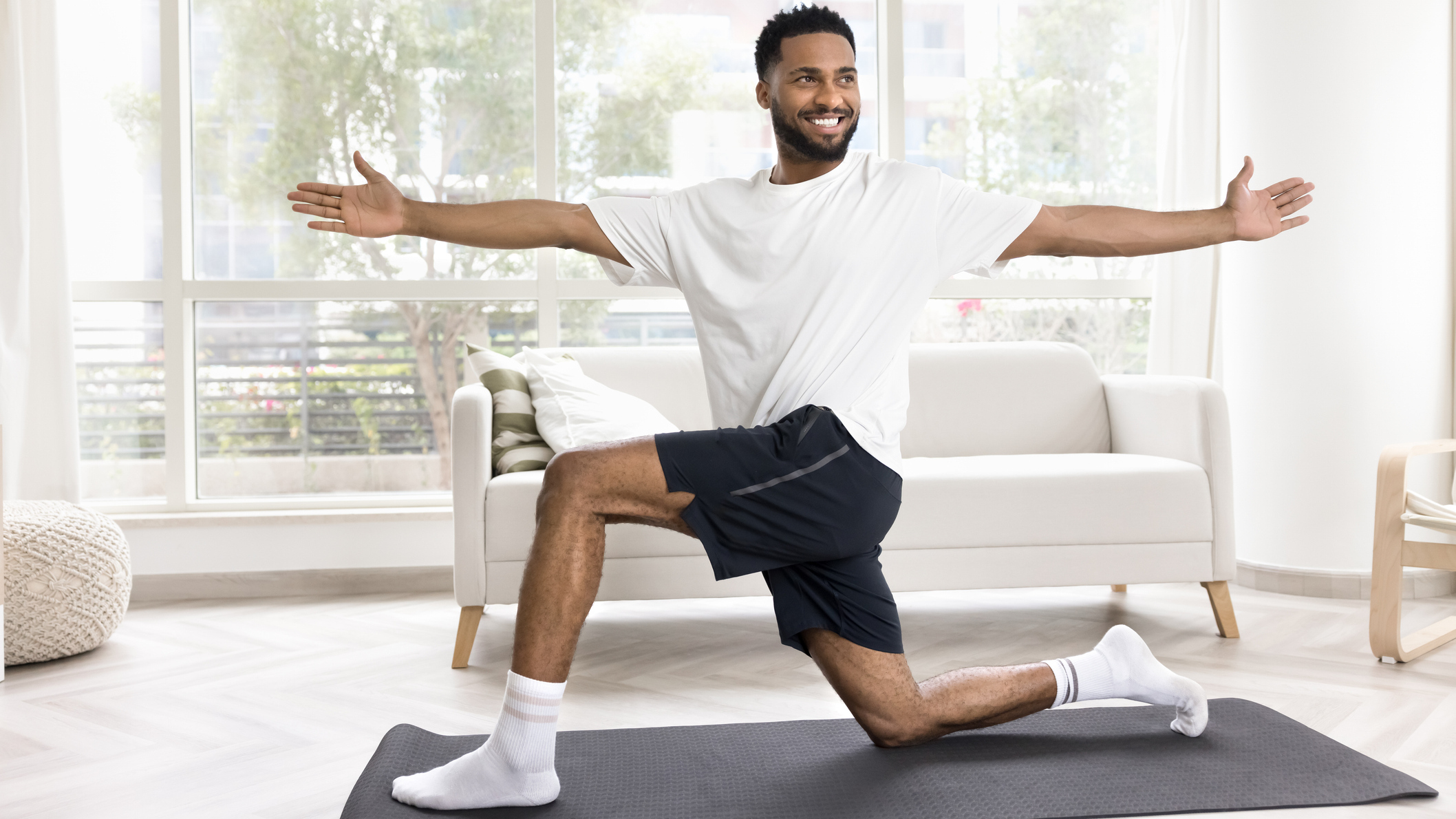
Tight hip flexors from excessive sitting pull your pelvis forward, contributing to lower back pain and poor overall posture. Stretching these muscles helps restore proper pelvic alignment and reduces strain on your lower back.
Kneel on one knee with the other foot flat on the ground in front of you, forming a ninety-degree angle. Keep your torso upright and gently push your hips forward until you feel a stretch in the front of your hip on the kneeling side. Hold for thirty seconds, then switch sides. For a deeper stretch, raise the arm on the same side as your kneeling leg overhead and lean slightly to the opposite side. Perform two to three times per side.
Plank for Core Strength
A strong core is essential for maintaining good posture throughout the day. Your core muscles support your spine and help you maintain proper alignment whether sitting, standing, or moving. The plank is one of the most effective exercises for building this crucial core strength.
Start in a push-up position, then lower onto your forearms, keeping your body in a straight line from head to heels. Engage your core by pulling your navel toward your spine, and avoid letting your hips sag or rise too high. Hold this position for twenty to sixty seconds, rest, and repeat three times. As you build strength, gradually increase your hold time.
Doorway Chest Stretch
Tight chest muscles pull your shoulders forward and contribute to rounded posture. Regular stretching of the chest and anterior shoulders helps counteract this tendency and allows your shoulders to rest in a more natural, back position.
Stand in a doorway and place your forearms on the door frame with elbows at shoulder height. Step one foot forward and lean gently into the stretch until you feel tension across your chest and front shoulders. Hold for thirty seconds, relax, and repeat two to three times. You can vary the angle by placing your arms higher or lower on the door frame to target different areas of your chest muscles.
Glute Bridges for Posterior Chain
Weak glutes and hamstrings often accompany poor posture, as prolonged sitting causes these muscles to become inactive. Strengthening your posterior chain helps support your pelvis and lower back, contributing to better overall alignment.
Lie on your back with knees bent and feet flat on the floor, hip-width apart. Press through your heels to lift your hips toward the ceiling, creating a straight line from knees to shoulders. Squeeze your glutes at the top, hold for two seconds, then lower back down. Perform three sets of twelve to fifteen repetitions. Focus on using your glutes rather than your lower back to lift your hips.
Building a Sustainable Posture Routine
Improving your posture is not a quick fix but a gradual process that requires consistency and patience. Start by incorporating three to four of these exercises into your daily routine, performing them in the morning or during breaks throughout your workday. As these become habitual, you can add more exercises or increase repetitions.
Beyond exercise, remember that posture awareness throughout the day is equally important. Set reminders to check your posture, optimize your workspace ergonomics, and take regular breaks from sitting. Combined with these exercises, these habits will lead to noticeable improvements in how you feel and move.