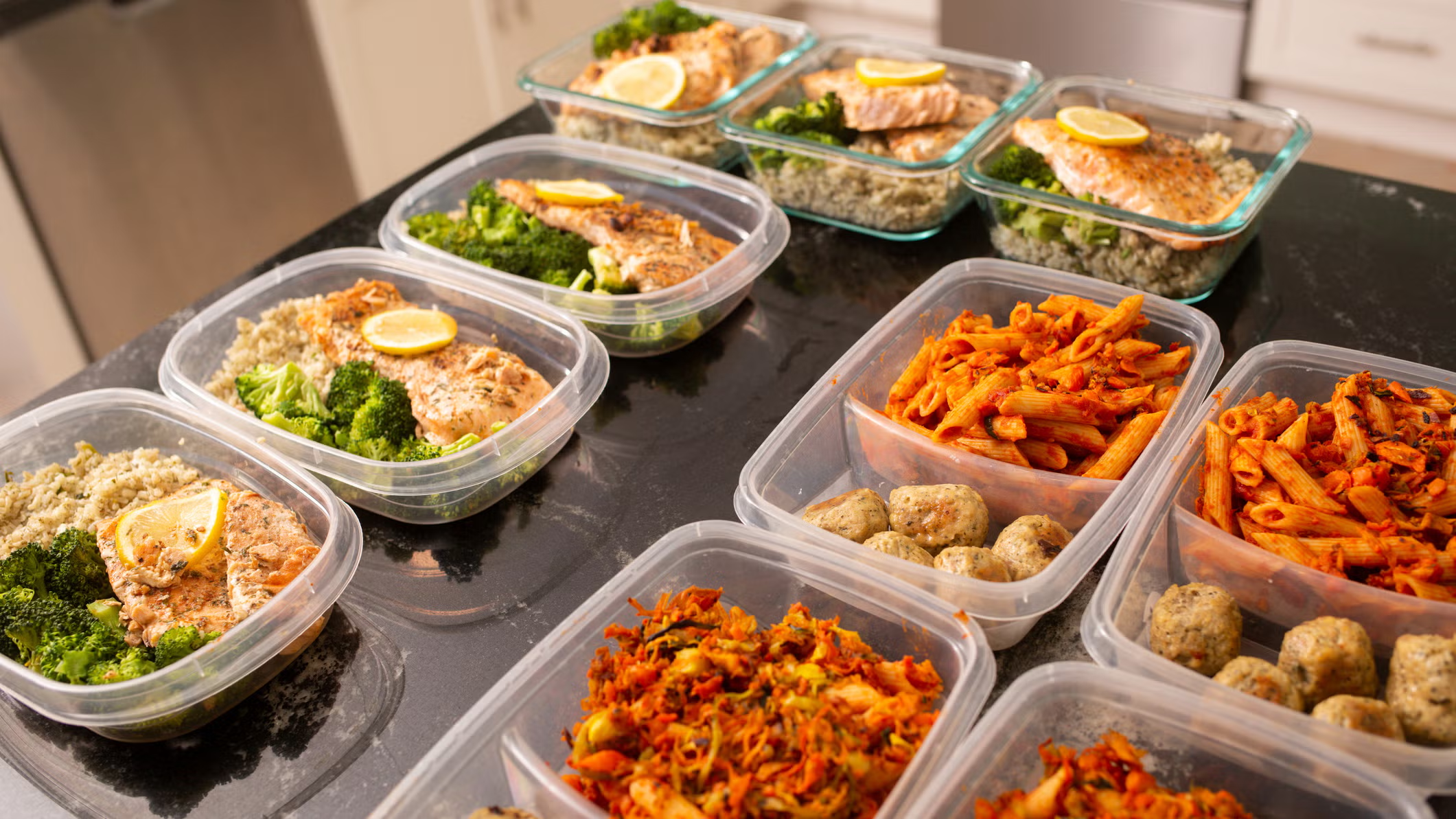
In the rush of professional life, maintaining healthy eating habits often falls by the wayside. Between meetings, deadlines, and daily responsibilities, many people default to convenient but less nutritious options. Meal prepping offers a practical solution that allows you to take control of your nutrition without sacrificing precious time during your busy week.
Understanding the Benefits of Meal Prep
Meal preparation is more than just cooking in advance. It is a strategic approach to nutrition that offers numerous advantages beyond simply having food ready. When you meal prep, you reduce daily decision fatigue about what to eat, eliminate the temptation of unhealthy convenience foods, and gain better control over portion sizes and nutritional content.
Financial benefits are equally significant. Studies show that people who regularly meal prep spend significantly less on food compared to those who frequently eat out or order takeout. You can buy ingredients in bulk, reduce food waste by using everything you purchase, and avoid the premium prices of restaurant meals or prepared foods.
Choosing Your Meal Prep Strategy
There is no single correct way to meal prep. The best approach depends on your schedule, preferences, and lifestyle. Batch cooking involves preparing full meals in large quantities and portioning them for the week. This works well if you do not mind eating similar meals multiple times.
Alternatively, ingredient prep focuses on preparing components that can be mixed and matched throughout the week. You might roast several types of vegetables, cook a large batch of grains, prepare proteins in different ways, and create versatile sauces. This approach offers more variety while still saving significant time during the week.
Some people prefer a hybrid approach, preparing certain complete meals while keeping other ingredients ready for quick assembly. Experiment with different strategies to discover what fits your routine and preferences best.
Essential Tools and Containers
Having the right equipment makes meal prep significantly easier and more efficient. Invest in quality storage containers in various sizes. Glass containers are excellent for reheating and are more environmentally friendly, while BPA-free plastic containers are lighter and more portable. Look for containers that are microwave safe, dishwasher safe, and have tight-fitting lids to prevent leaks.
Other helpful tools include a good set of knives, cutting boards in different sizes, mixing bowls, measuring cups and spoons, and sheet pans for roasting. A slow cooker or instant pot can be invaluable for hands-off cooking of large batches. Consider also getting a food scale for accurate portion control if that aligns with your nutritional goals.
Planning Your Weekly Menu
Effective meal prep starts with thoughtful planning. Begin by deciding how many meals you want to prepare. Most people prep five lunches and a few dinners, leaving flexibility for social events or dining out. Choose recipes that share some ingredients to simplify shopping and reduce waste. For example, if one recipe uses half a bunch of cilantro, find another recipe that uses the remainder.
Consider your schedule when planning. If you have a particularly busy day, prepare something that reheats well and requires minimal effort to serve. Save recipes requiring fresh preparation for days when you have more time. Keep a running list of successful meal prep recipes so you do not have to start from scratch each week.
Smart Grocery Shopping for Meal Prep
Once you have your menu planned, create a detailed shopping list organized by store sections to make shopping more efficient. Check your pantry and refrigerator first to avoid buying duplicates. Stick to your list to prevent impulse purchases that can derail your budget and meal plan.
Shop the perimeter of the grocery store first, where fresh produce, proteins, and dairy are typically located. Buy versatile ingredients that work in multiple recipes. Frozen vegetables and fruits are excellent options as they are just as nutritious as fresh, often more affordable, and have a longer shelf life. Look for sales on proteins and consider buying larger quantities to freeze for future weeks.
Efficient Prep Day Execution
Set aside a dedicated block of time for meal prep, typically two to four hours depending on how much you are preparing. Many people choose Sunday afternoon or evening, but pick whatever day works best for your schedule. Before you begin cooking, take everything out and organize your workspace. Wash and chop all vegetables first, as this is often the most time-consuming part.
Work strategically by starting with items that take the longest to cook. Put your proteins in the oven or start them on the stovetop, then move on to preparing grains and vegetables. Use multiple cooking methods simultaneously to save time. While chicken roasts in the oven, you can cook quinoa on the stovetop and prepare salad ingredients on the counter.
As items finish cooking, let them cool slightly before portioning into containers. Label containers with contents and dates to avoid confusion later. Store meals in the refrigerator if you will eat them within four days, or freeze them for longer storage.
Building Balanced Meal Prep Meals
Each meal should include a balance of macronutrients to keep you satisfied and energized. Aim for a palm-sized portion of protein, one to two fist-sized portions of vegetables, a cupped-hand portion of complex carbohydrates, and a thumb-sized portion of healthy fats. This framework ensures you are getting proper nutrition while maintaining appropriate portion sizes.
Vary your protein sources throughout the week to ensure a range of nutrients. Include chicken, fish, lean beef, beans, lentils, tofu, or eggs. Choose colorful vegetables to maximize nutrient diversity. Different colors indicate different beneficial compounds, so aim for a rainbow on your plate throughout the week.
Keeping Meals Fresh and Flavorful
One common complaint about meal prep is that food becomes boring or loses quality by the end of the week. Combat this by using different seasonings and sauces for similar base ingredients. Grilled chicken with vegetables can taste completely different with teriyaki sauce one day, curry another day, and Italian herbs the next.
Store components separately when possible to maintain freshness. Keep dressings and sauces separate from salads until ready to eat. Store crispy elements like nuts or croutons separately to prevent them from becoming soggy. Some foods freeze better than others, so plan accordingly. Soups, stews, and casseroles typically freeze and reheat beautifully.
Troubleshooting Common Challenges
If you find yourself throwing away food, you may be prepping too much. Start smaller and gradually increase as you get a sense of how much you actually eat. If meals become boring, focus more on ingredient prep rather than full meals, allowing you to create different combinations throughout the week.
Time constraints can be addressed by choosing simpler recipes or prepping just a few days at a time instead of a full week. If storage space is limited, invest in stackable containers and focus on freezing meals you will not eat within a few days.
Making Meal Prep Sustainable
The key to successful long-term meal prepping is finding a system that works for your unique situation. Start small with just a few meals and gradually expand as you become more comfortable with the process. Do not aim for perfection, especially when starting out. Even preparing just a few meals puts you ahead and reduces reliance on less healthy convenience options.
Remember that meal prep is meant to simplify your life, not add stress. If a particular week becomes too busy, give yourself permission to scale back or take a break. The goal is to create sustainable habits that support your health and lifestyle over the long term.