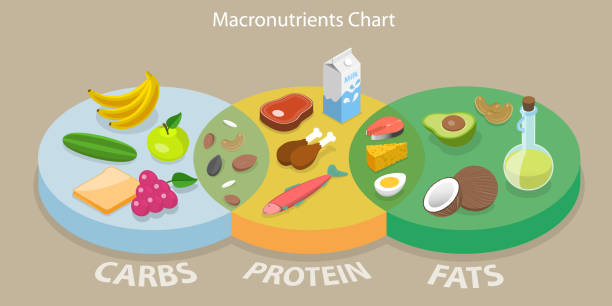
Nutrition can feel overwhelmingly complex, but understanding macronutrients provides a solid foundation for making informed dietary choices. Macronutrients, or macros, are the three main categories of nutrients your body needs in large amounts: proteins, carbohydrates, and fats. Each plays unique and essential roles in keeping your body functioning optimally.
What Are Macronutrients?
Unlike micronutrients such as vitamins and minerals that your body needs in small quantities, macronutrients are required in substantial amounts to provide energy and support vital bodily functions. Every food you eat contains some combination of these three macronutrients, though the proportions vary widely.
Each gram of protein and carbohydrate provides four calories of energy, while fat provides nine calories per gram. This caloric density is why fats are often misunderstood and unnecessarily avoided, despite being crucial for health. Understanding how each macronutrient functions helps you make choices that align with your individual health goals and lifestyle.
Protein: The Building Blocks
Protein is perhaps the most well-known macronutrient, famous for its role in building and repairing tissues. Proteins are made up of amino acids, which serve as building blocks for everything from muscle tissue to enzymes and hormones. Your body can produce some amino acids, but nine essential amino acids must come from your diet.
Beyond building muscle, protein plays crucial roles in immune function, hormone production, and transportation of nutrients throughout your body. It also helps you feel full and satisfied after meals, making it valuable for appetite control. Protein has a higher thermic effect than other macronutrients, meaning your body burns more calories digesting it compared to fats or carbohydrates.
Good protein sources include lean meats, poultry, fish, eggs, dairy products, legumes, nuts, seeds, and soy products. Animal proteins are complete proteins, containing all essential amino acids, while most plant proteins are incomplete and should be combined throughout the day to ensure adequate intake of all amino acids.
General protein recommendations range from point eight to one gram per kilogram of body weight for sedentary individuals, though active people and those trying to build muscle may need more. Spreading protein intake throughout the day, rather than consuming it all at once, appears to be most beneficial for muscle protein synthesis.
Carbohydrates: Your Primary Fuel Source
Carbohydrates have been unfairly vilified in recent years, but they serve as your body's preferred and most efficient energy source, particularly for your brain and during physical activity. Carbohydrates are broken down into glucose, which fuels your cells and is essential for optimal brain function and physical performance.
Not all carbohydrates are created equal. Simple carbohydrates, found in foods like white bread, candy, and sugary drinks, are quickly digested and can cause rapid spikes and crashes in blood sugar. Complex carbohydrates, found in whole grains, vegetables, and legumes, are digested more slowly, providing steady energy and important nutrients including fiber.
Fiber is a type of carbohydrate that your body cannot digest. It supports digestive health, helps control blood sugar levels, lowers cholesterol, and promotes feelings of fullness. Most people do not consume enough fiber. Aim for at least twenty-five grams daily for women and thirty-eight grams for men from sources like vegetables, fruits, whole grains, and legumes.
The key with carbohydrates is choosing quality sources and matching your intake to your activity level. Very active individuals need more carbohydrates to fuel their performance and recovery, while those with sedentary lifestyles may do well with moderate amounts focused on complex sources.
Fats: Essential for Health
Dietary fat is essential for hormone production, nutrient absorption, cell structure, and protecting your organs. Fat-soluble vitamins A, D, E, and K require dietary fat for absorption. Fats also play crucial roles in brain health, with your brain being approximately sixty percent fat by weight.
There are several types of dietary fats with different effects on health. Unsaturated fats, including both monounsaturated and polyunsaturated fats, are considered heart-healthy and should make up the majority of your fat intake. These are found in foods like olive oil, avocados, nuts, seeds, and fatty fish.
Omega-3 fatty acids, a type of polyunsaturated fat, deserve special attention for their anti-inflammatory properties and benefits for heart and brain health. Excellent sources include fatty fish like salmon and sardines, walnuts, flaxseeds, and chia seeds. Many people do not consume enough omega-3s and could benefit from increasing intake through food or supplementation.
Saturated fats, found primarily in animal products and tropical oils, have been controversial. While excessive intake may raise cholesterol levels in some individuals, moderate amounts as part of a balanced diet are generally not harmful for most people. Trans fats, however, should be avoided as much as possible due to their negative health effects.
Balancing Your Macronutrients
There is no single ideal macronutrient ratio that works for everyone. Your optimal balance depends on factors including your activity level, health goals, metabolic health, and personal preferences. Some people thrive on higher carbohydrate diets, while others feel better with more fat and moderate carbs.
A common starting point for general health is roughly forty to sixty percent of calories from carbohydrates, twenty to thirty percent from protein, and twenty to thirty-five percent from fat. Athletes and very active individuals often need more carbohydrates, while those trying to lose weight might benefit from higher protein to preserve muscle mass and increase satiety.
Rather than obsessing over perfect ratios, focus on food quality. Emphasize whole, minimally processed foods that provide nutrients along with your macronutrients. A balanced plate might include a palm-sized portion of protein, a fist or two of vegetables, a cupped-hand portion of complex carbohydrates, and a thumb-sized portion of healthy fats.
Practical Application: Reading Nutrition Labels
Understanding macronutrients becomes more practical when you can identify them in the foods you eat. Nutrition labels list total carbohydrates, protein, and fat content per serving. Pay attention to serving sizes, as they can be surprisingly small and easy to exceed.
Under total carbohydrates, you will find dietary fiber and sugars. Subtracting fiber from total carbohydrates gives you net carbs, which some people track. Look for foods where fiber makes up a significant portion of total carbohydrates, indicating a nutrient-dense, less processed choice.
The ingredient list is equally important. Ingredients are listed in descending order by weight, so if sugar or refined flour appears first, that food is primarily made of those ingredients regardless of how it is marketed. Look for whole food ingredients you recognize and can pronounce.
Listening to Your Body
While understanding macronutrients provides valuable knowledge, remember that numbers are just one tool for making decisions about food. How you feel is equally important. Some people feel energized and focused on higher carbohydrate diets, while others experience better energy with more fat and protein.
Pay attention to your hunger and satiety cues, energy levels throughout the day, workout performance, and how different macronutrient ratios affect your mood and concentration. Keep a food journal for a week or two, noting what you eat and how you feel, to identify patterns and preferences.
If you have specific health conditions like diabetes, heart disease, or kidney disease, work with a healthcare provider or registered dietitian to determine appropriate macronutrient ratios for your situation. These conditions may require specific modifications to standard recommendations.
Building Your Nutrition Knowledge
Understanding macronutrients is an important step toward taking control of your nutrition, but remember that perfect is not necessary. Aim for consistency over perfection, choosing whole foods most of the time while allowing flexibility for the foods you enjoy.
As you become more familiar with the macronutrient content of common foods, making balanced choices becomes intuitive rather than requiring constant calculation. Focus on eating a variety of whole foods, staying adequately hydrated, and adjusting your intake based on your activity level and how you feel. This approach, combined with your new understanding of macronutrients, provides a solid foundation for lasting health.